- Material:
- Serpentinite
- Category:
- Metamorphic
- Alternative name(s):
- Connemara Serpentinite, Connemara Green, Irish Green
- Colour:
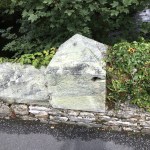
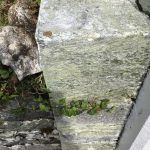
- Green
- Colour variation:
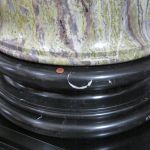
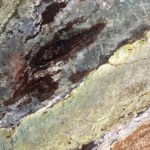
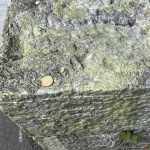
- Variegated, Banded, Foliated, Mottled
- Grain/Crystal Size:
- Fine
- Place of origin:
- Galway, Ireland
- Rock Unit Name:
- Connemara Marble Formation
- Geological Age:
- Proterozoic, Dalradian
- GSI Rock Unit Code:
- CJ
- Context of Use:
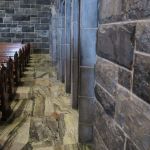
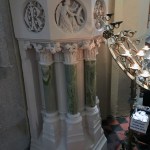
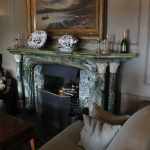
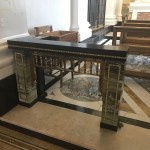
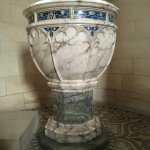
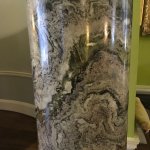
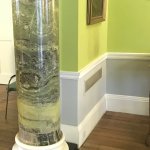
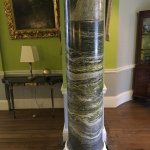
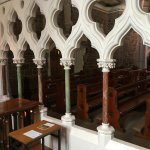
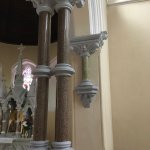
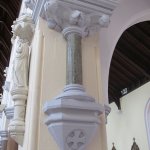
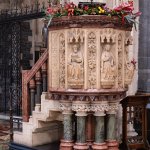
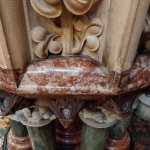
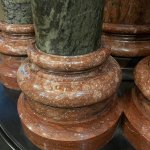
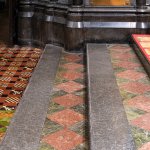
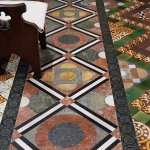
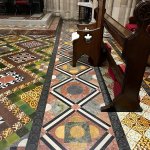
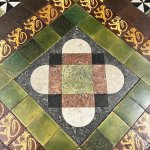
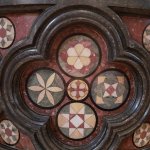
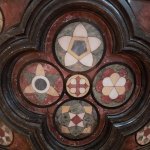
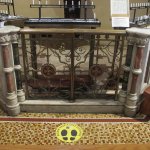
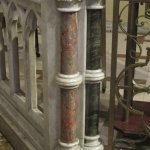
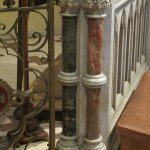
- Mainly decorative as polished stone in architectural elements (usually internal), chimney pieces, jewellery and ornaments.
Notes:
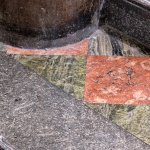
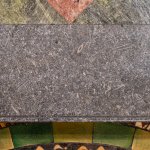
This marble (or strictly an ophicarbonate) occurs as green, white and sepia varieties to pure green varieties with occasional bands of black or grey. The economic value of the marble is directly linked to its aesthetic qualities, namely colour and texture. The shades are determined by the extent and diversity of the coloured minerals present, varying from white to green with increased serpentine content. The groundmass is typically calcite (white to grey colour sometimes with traces of pink) and creamy white dolomite in which minerals create decorative bands and blebs of darker colour. This diverse complex suite of minerals, produced during metamorphism approx. 475-460 Ma, includes amphiboles, serpentinised olivine, tremolite, chlorite, talc, mica, diopside, phlogopite and chalcedony. High coloured portions of the Connemara marble represent serpentinite-dominated mineralogy and are referred to by local quarry men as “the jewellery grade marble”. The foliated and serpent-like texture is imparted by folding of original sedimentary banding, and secondary foliation.
Connemara Marble was designated an IUGS Heritage Stone in 2022.